<<back


Vinta


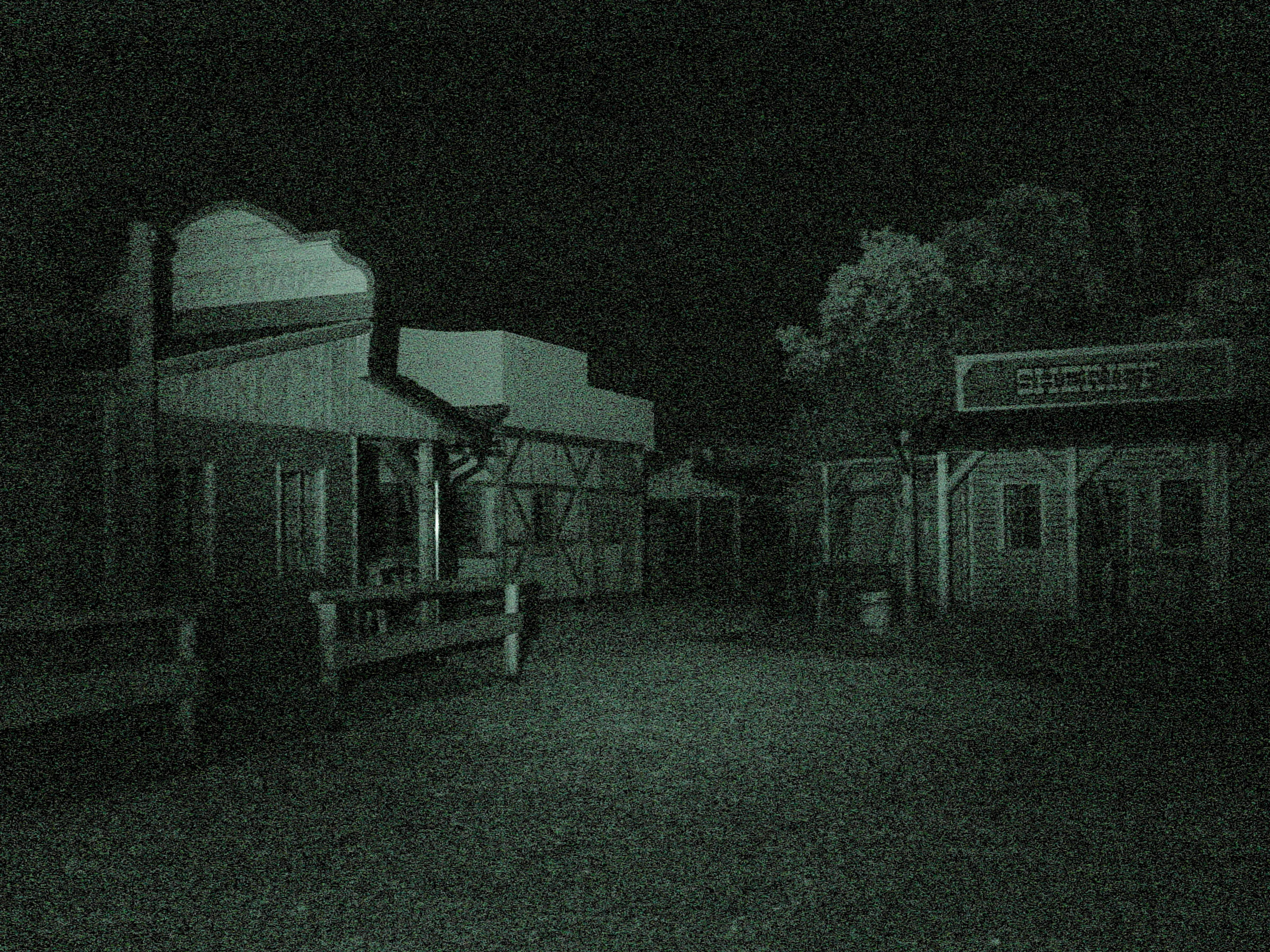
Series of 6, each 50 x 60 cm, b/w photographs, 33 x 24 cm, screenprint, framed:
"2003 Vinta", "1923 Walter Banzhaven", "1929 Fritz Lang", "1937 Wernher von Braun", "1968 Dieter Pohlmann",
"1992 Piet van Lieuwgaarden" (Photo by La Filature, Mulhouse, 2004)


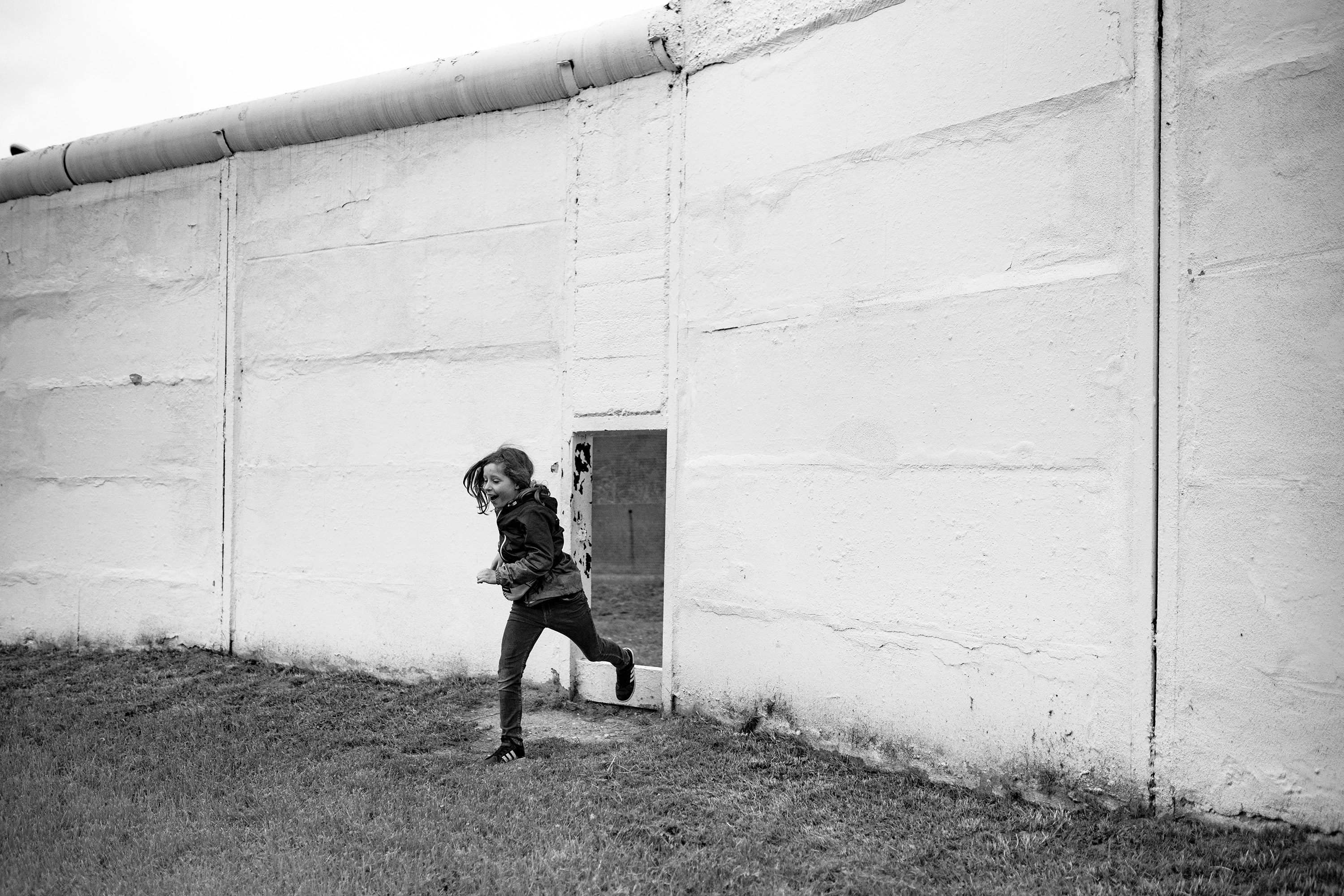
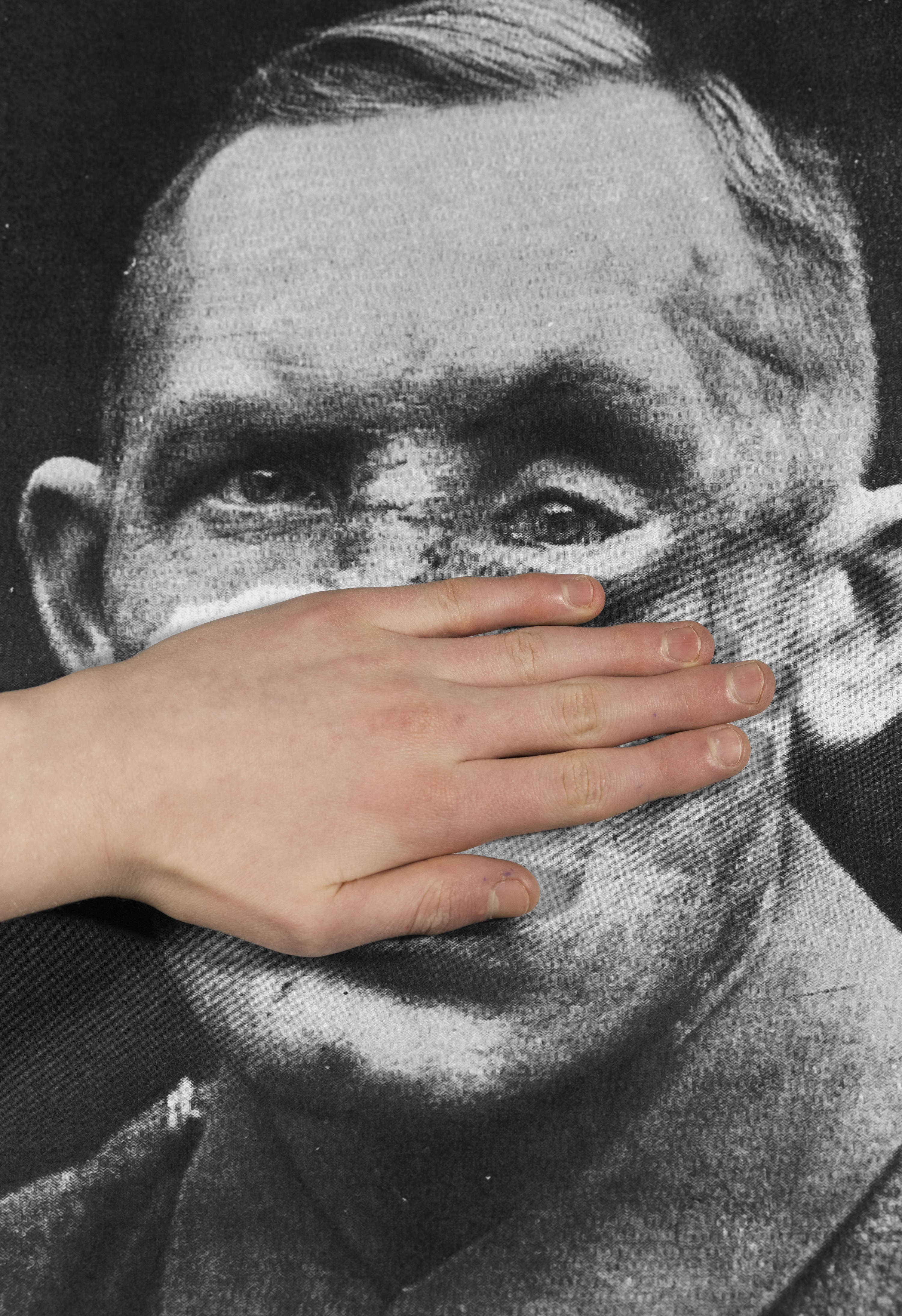
"1968 Dieter Pohlmann", 50 x 60 cm, b/w photographs, 33x24cm, screenprint, framed


Auszug aus dem Text:


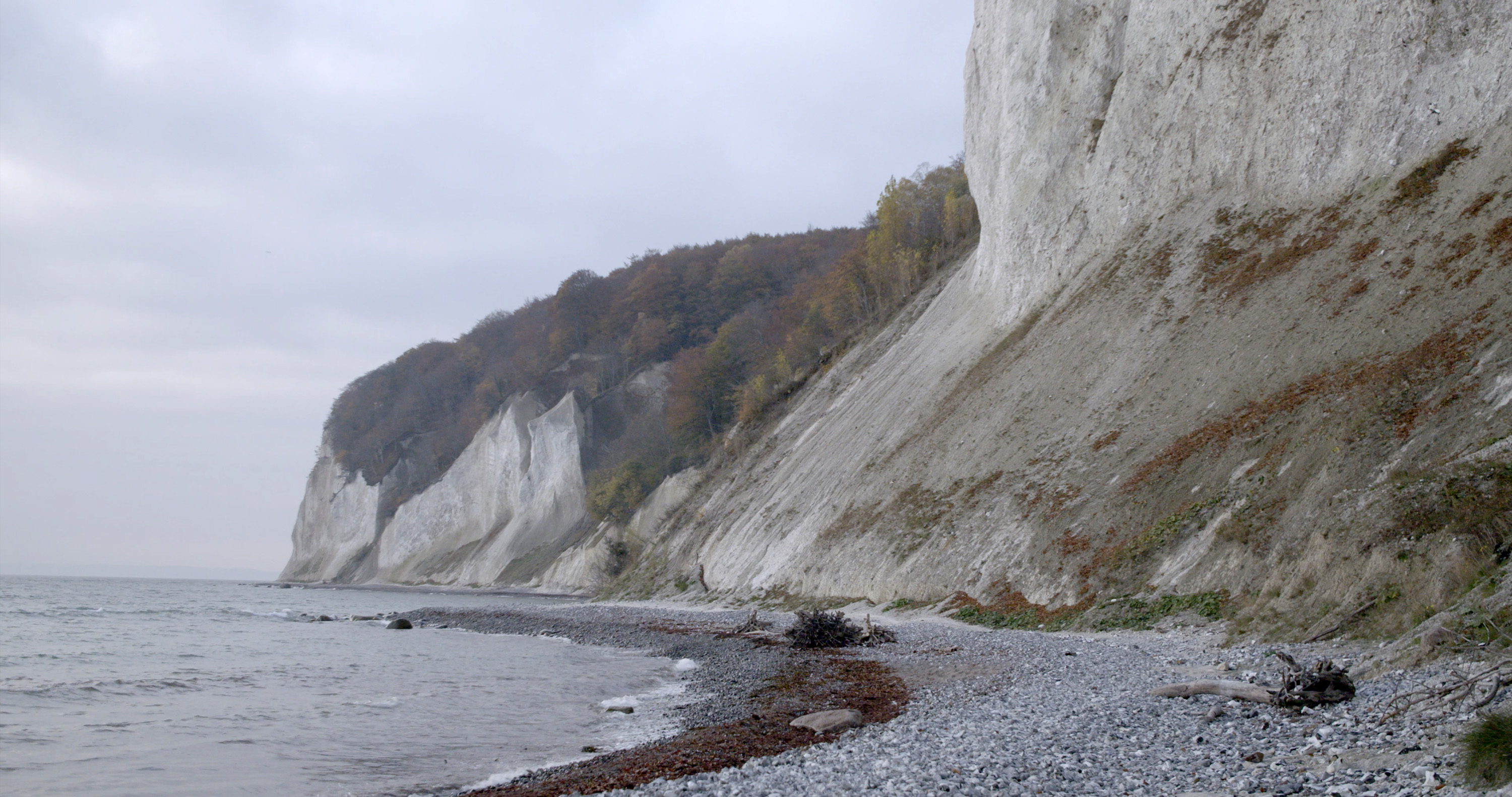
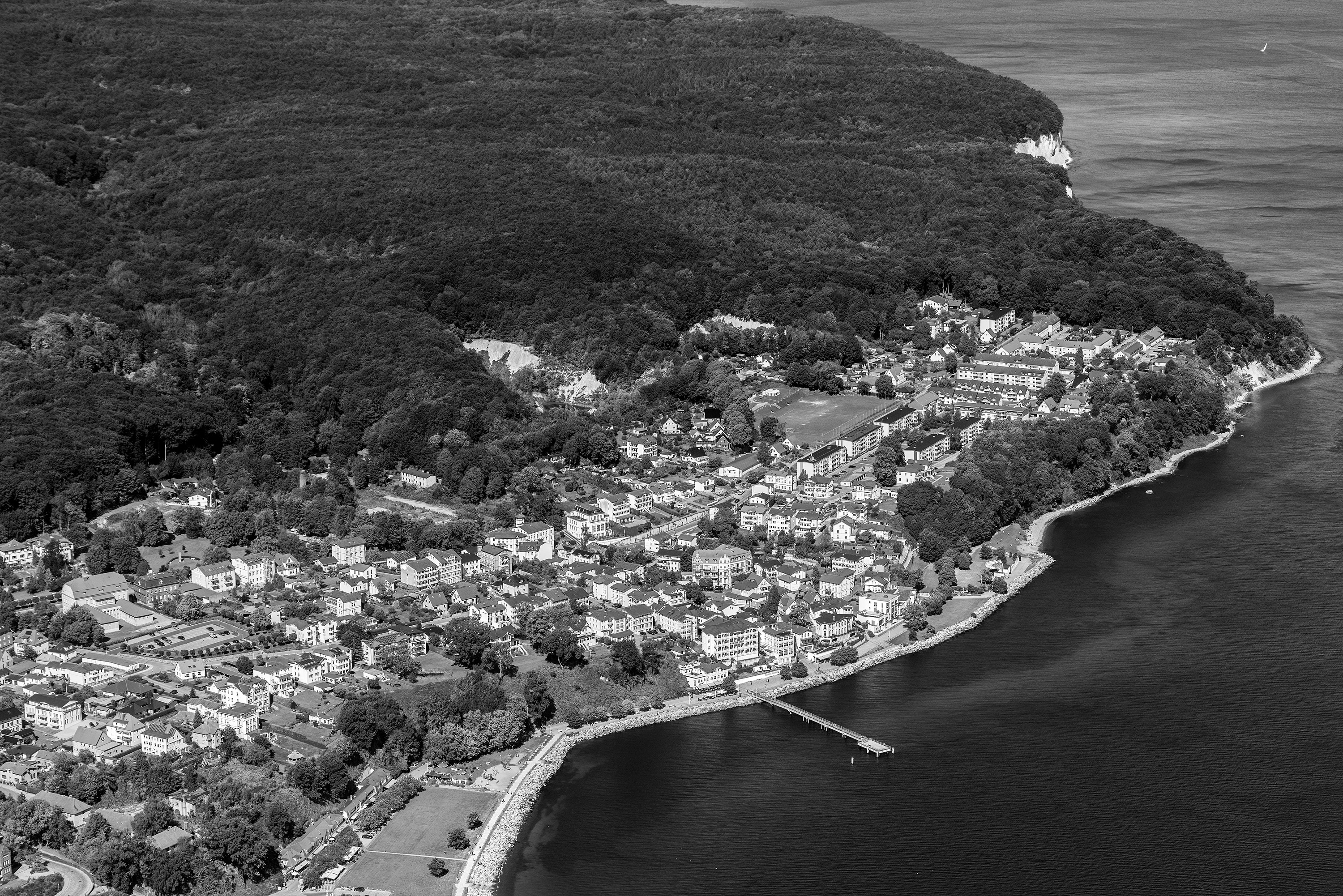
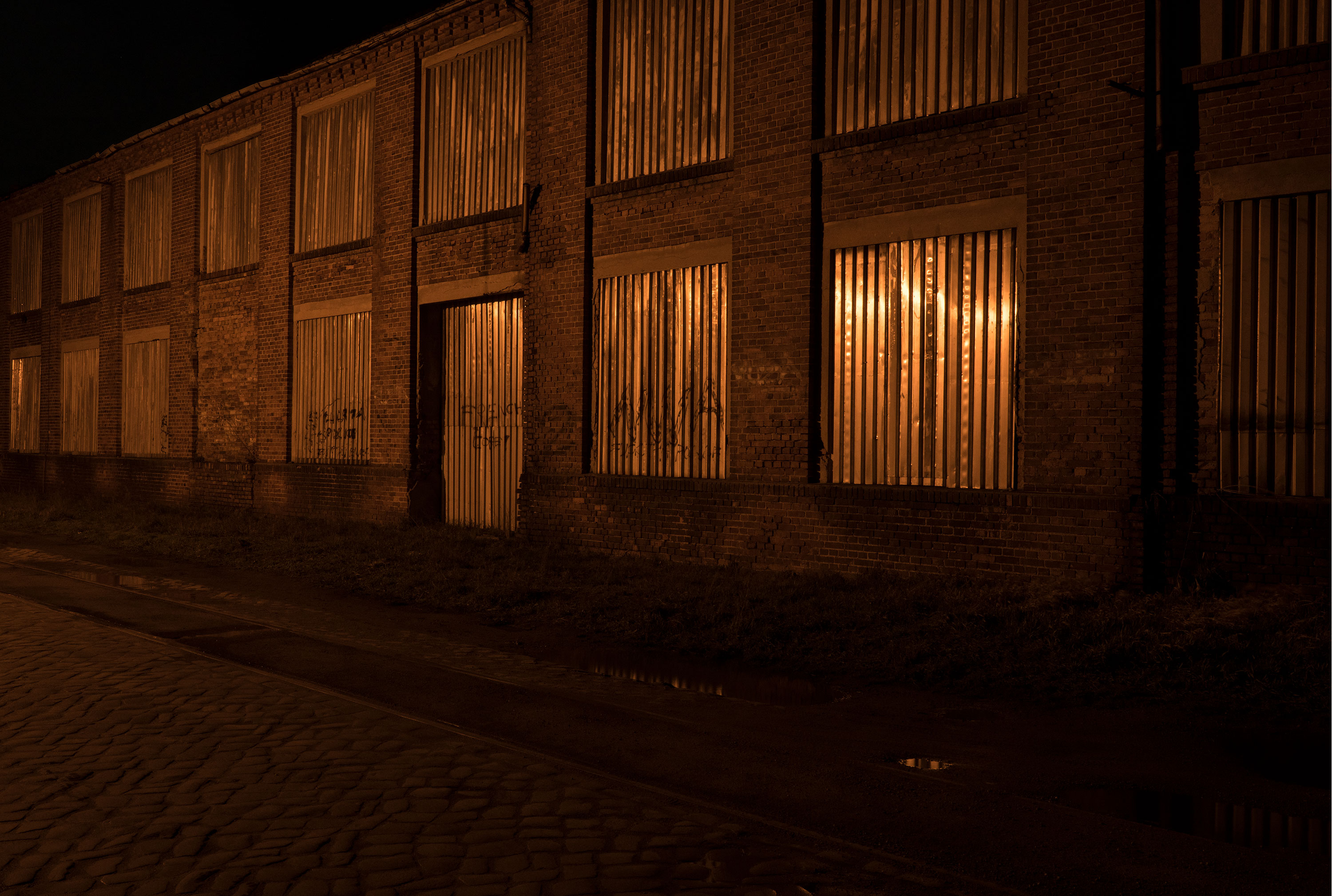
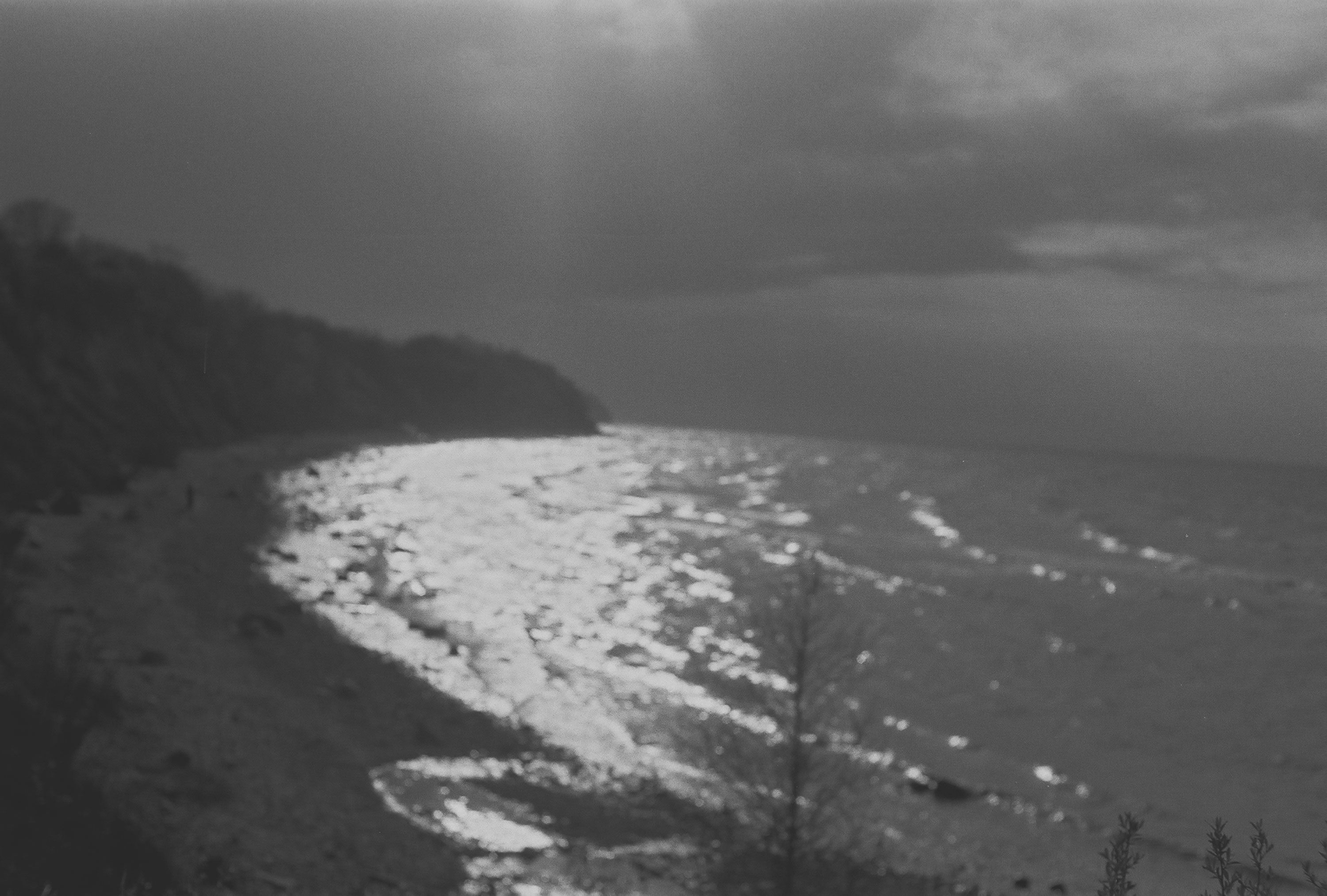
Vinta, dreizehn Seemeilen vor Peenemünde in der Ostsee gelegen, ist die östlichste deutsche Insel. Die nur rund 900 Meter lange und bis zu 250 Meter breite Insel war zwischen 1923 und 1992 das Ziel verschiedener Personen, die hier, ob nun direkt oder indirekt, allesamt scheiterten. Heute ist Vinta unbewohnt.


Excerpt from the text:


Vinta, the most easterly of the German islands, lies in the Baltic Sea, thirteen sea miles from the coastal town of Peenemünde. Between the years of 1923 and 1992 the island, which is only around 900m long and 250m across, was a point of destination for a number of different people. Each of their missions here ultimately failed, either directly or indirectly.Today, the island is uninhabited.

[1968 Dieter Pohlmann]


Der Kinderarzt Dieter Pohlmann hatte seine Flucht über die Ostsee gut vorbereitet: Jahrelang segelte er mit Freunden des Segelsportclubs im Greifswalder Bodden und prägte sich dabei unauffällig die Ein - und Auslaufzeiten der Patrouillienboote des nahegelegen Marinestütz-punktes Peenemünde genauestens ein. Pohlmann startete weit im Osten. Niemand, so dachte er, würde hier eine Flucht in den Westen vermuten. Er brauchte also nur die 12-Meilen Zone erreichen und würde dann in nordöstlicher Richtung das dänische Bornholm ansteuern. Dieter Pohlmann wußte jedoch nicht von der Existenz der Insel Vinta, die als Sperrgebiet in keiner zivilen Seekarte verzeichnet war. Seit 1961 war auf Vinta eine kleine ostdeutsche Grenzstation eingerichtet worden. Pohlmann soll die verdutzten Grenzer freudig auf Dänisch begrüßt haben.

[1968 Dieter Pohlmann]


The paediatrician Dieter Pohlmann had prepared his escape across the Baltic Sea carefully, over a period of several years. Whilst out sailing in the Greifswald Bodden with other members of the local sailing club, he was able to discreetly gain an accurate picture of the arrival and departure times of the patrol boats from the nearby naval base in Peenemünde. Since 1961, the GDR’s border towards the sea had been sealed off. Nevertheless, Pohlmann dared to make his escape far along to the east, as he believed that the coastline here was not so heavily guarded. Thus, all he had to do was to sail beyond the 12-mile zone and head north-east towards Bornholm in Denmark. However, Dieter Pohlmann knew nothing of the existence of the island of Vinta; as a no-go area it was not shown on any civilian nautical charts. When the wall was built, a border guard base had been set up there. Pohlmann, believing he was already in Bornholm, is said to have greeted the baffled GDR border guards in Danish.